Direct injection and irrigation made easier
For commercial greenhouses and nurseries.
Stop manual recipe management. The iDoser doses the recipes you set, keeps the record, sends text alarms.
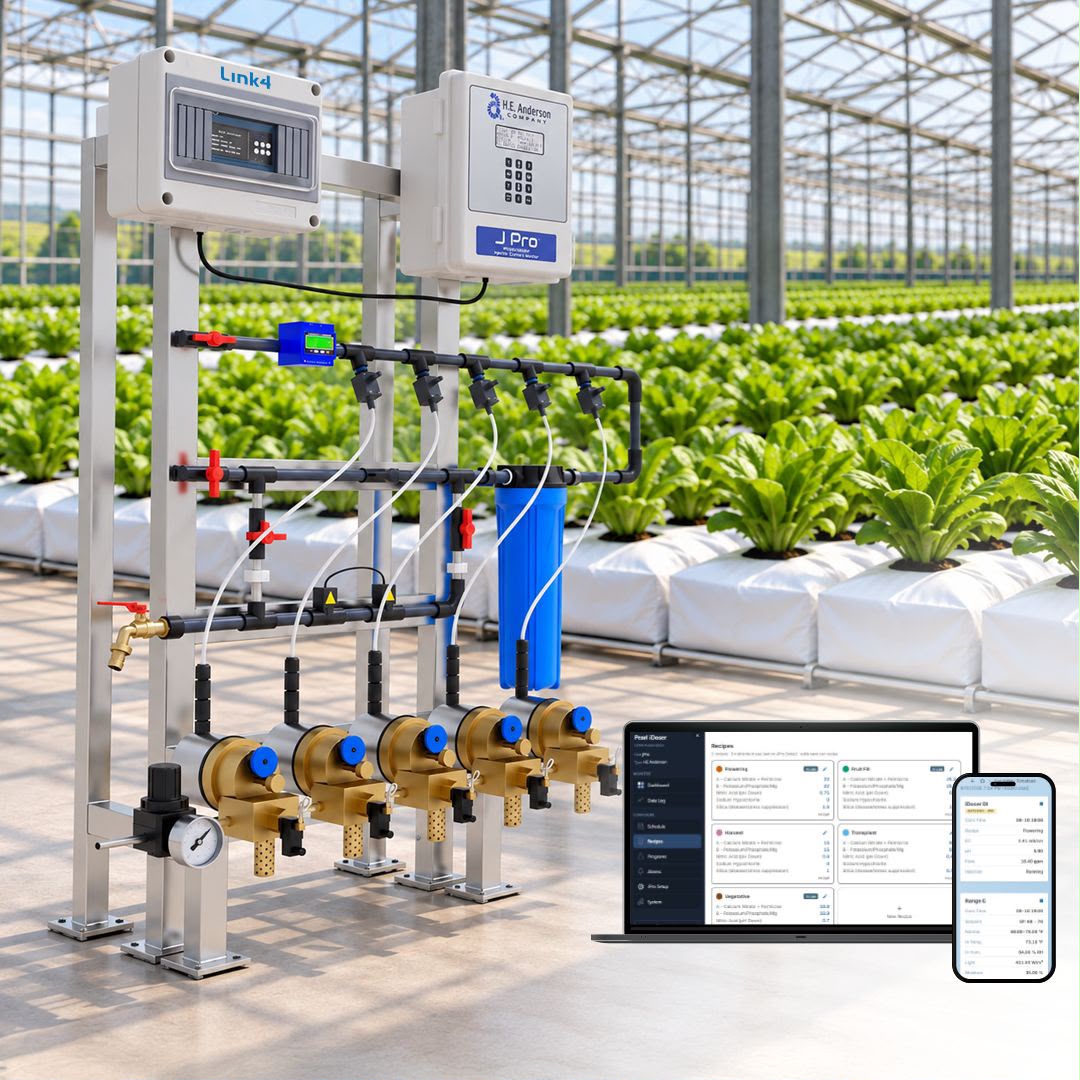
What it is: a cloud connected direct injection skid.
The current state of feed tracking
Three places the feed lives today
On the wall today
Feed log · house 2
lunch rush, catch up Monday
At the desk today
| Date | Time | EC | pH | Init |
|---|---|---|---|---|
| 8/28 | 6:05a | 2.1 | 5.9 | JG |
| 8/28 | 9:50a | 2.3 | 5.7 | JG |
| 8/29 | 6:10a | 2.2 | 5.8 | JG |
| 8/30 | wknd? | |||
| 9/01 | 6:00a | 2.4 | 5.6 | TD |
Typed up from the sheet, when there is time to type it up.
The record, keeping itself
Try it in DryRun: the iDoser data log page, EC, pH, temperature and flow charts over a full day, with logged irrigation events below Simulated dataEvery reading, every event, timestamped as it happens. No initials required.
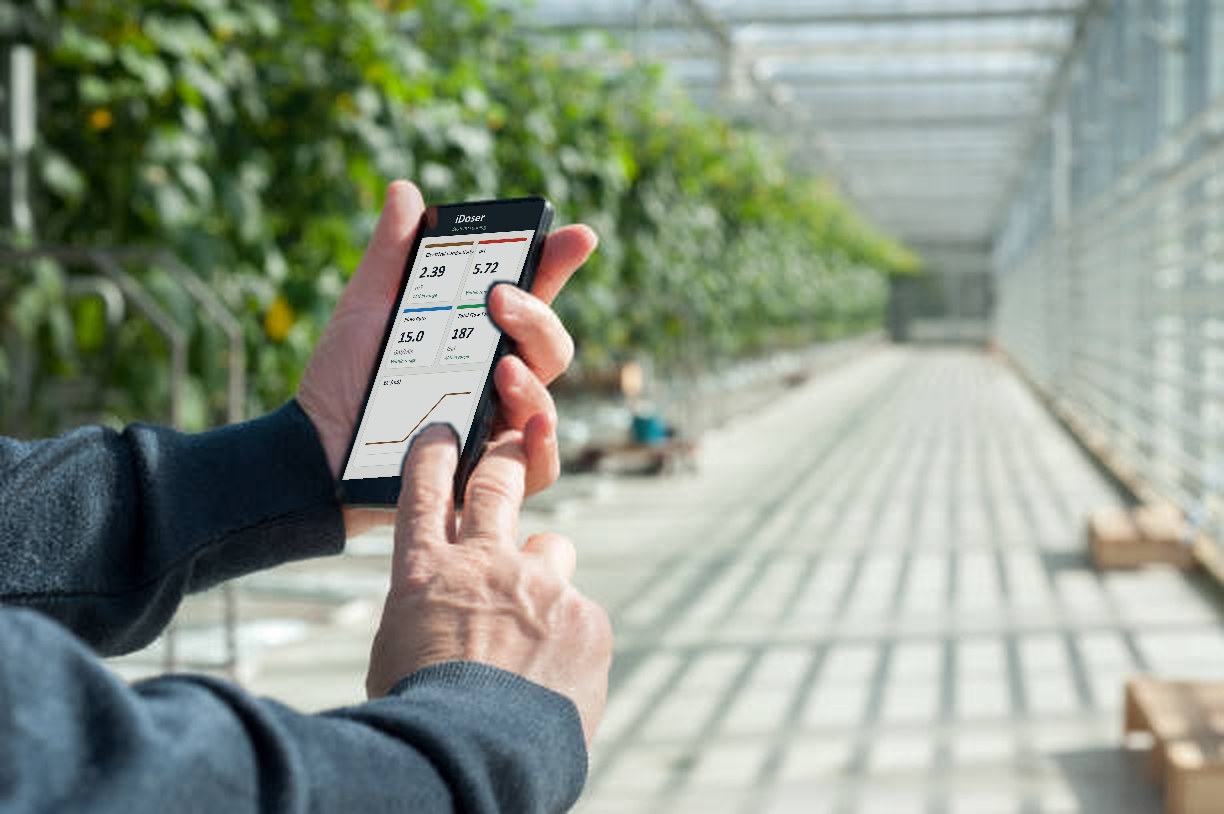
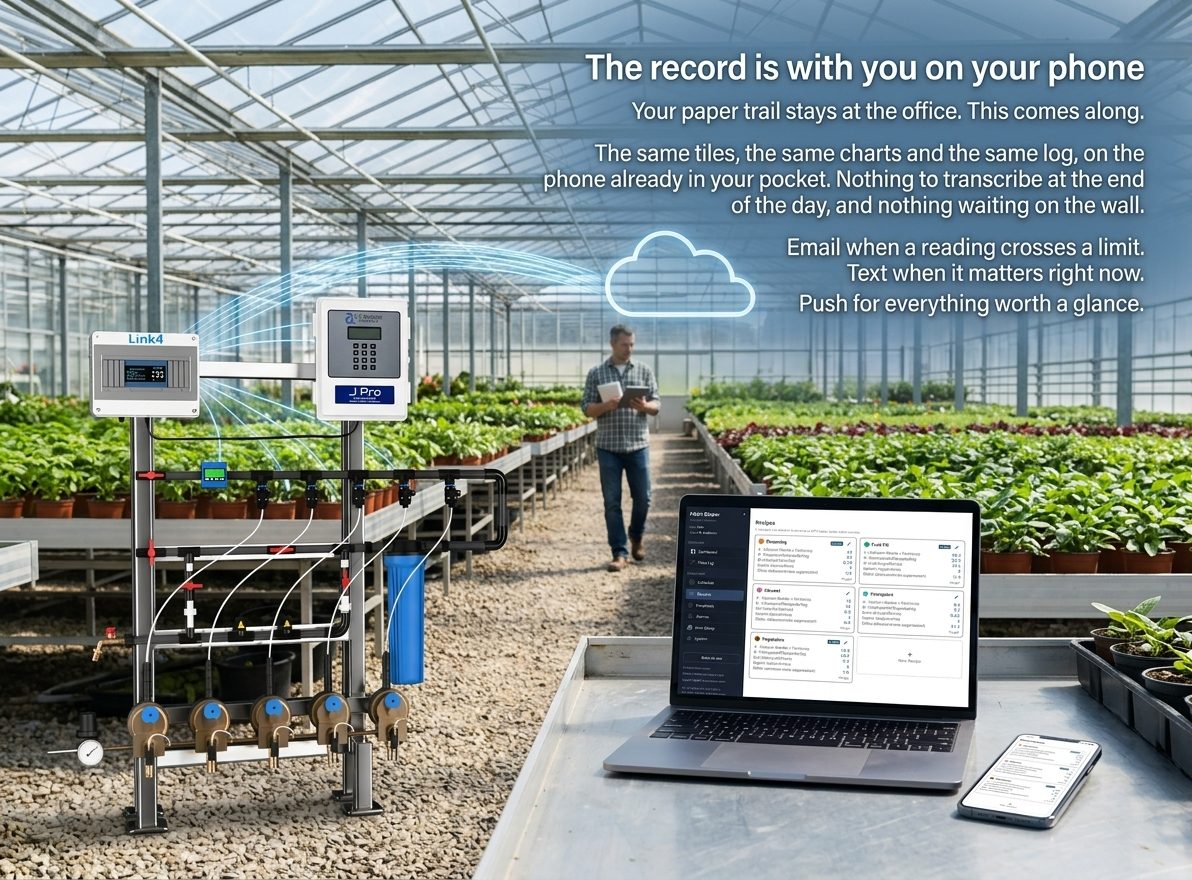
The record is with you on your phone
Your paper trail stays at the office. This comes along.
The same tiles, the same charts and the same log, on the phone already in your pocket. Nothing to transcribe at the end of the day, and nothing waiting on the wall.
checked from the truck, 6:04a
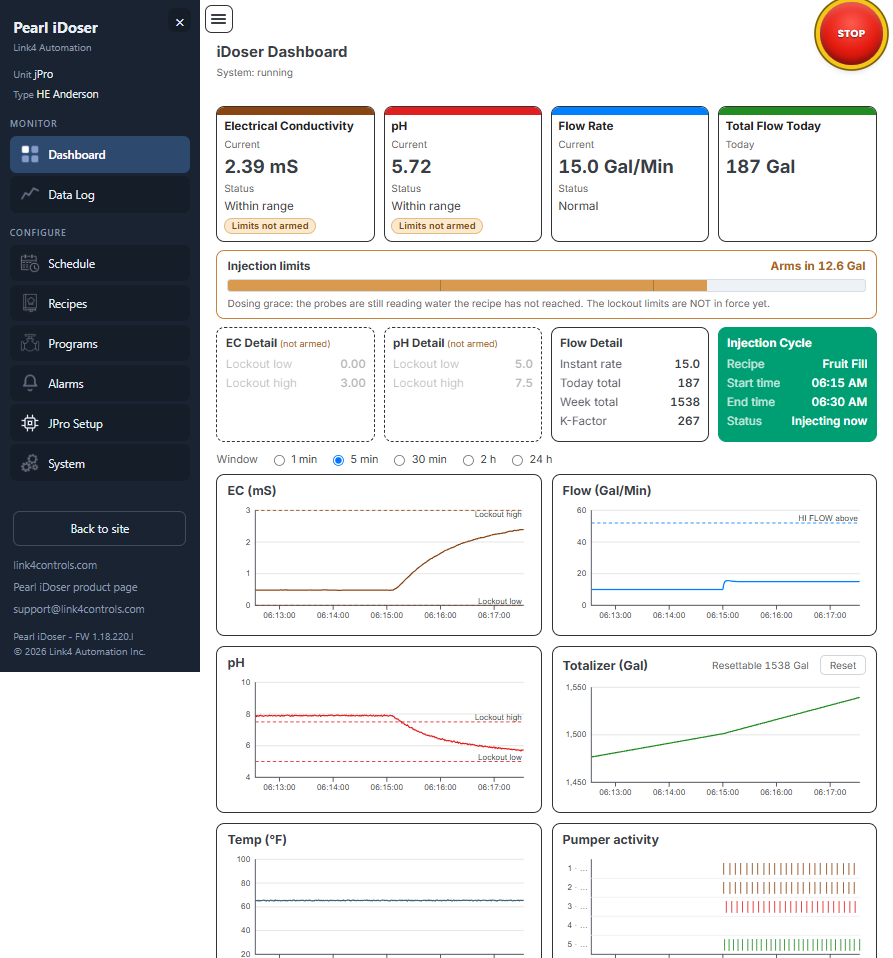
Between manual data entries
Fertigation and irrigation cycles are in realtime.
Injector ratios change over time and must be periodically re-verified (University of Georgia Extension, B1237). Drift lives exactly where the sheet is blank.
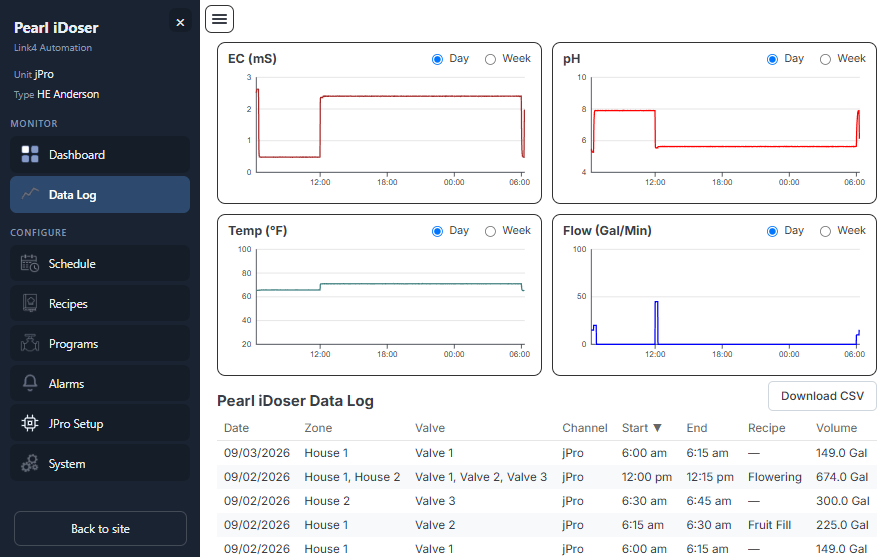
The same day, kept by the controller: charts of every reading, a log of every event, a CSV when someone asks.
The whole day on one board
See every zone, every feed window, every valve, in one view
Visualization of irrigation schedules against the needed recipes. Realtime audit flags potential issues.
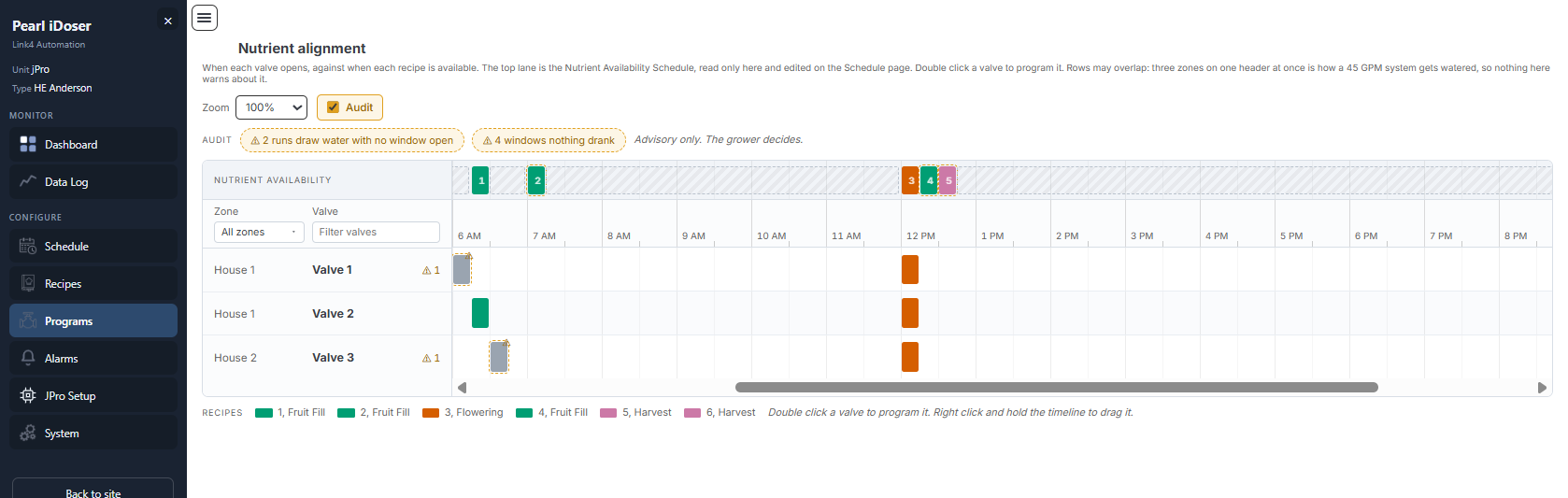
The Nutrient Alignment board reading an irrigation day. The audit is advisory: the grower decides.
Is it worth it? See for yourself:
Your numbers, not our brochure
Pick where you are starting. The estimate runs on typical numbers for a commercial grow, and open any line to see and change what drives it. It is an estimate, not a guarantee.
Tap any line to see and change what drives it.
An estimate from typical numbers, not a guarantee of results. Open any line to put your own figures in. Bring these to sales and they will work it against a real quote.
Parameter
Before you decide anything
Fifty-eight seconds of the actual console.
The dashboard, the log, the schedule, the recipes, the valves and the alarms, exactly as they look on screen.
the sheet can retire with honor
When someone asks for the record
Do you have detailed logs?
Food safety water documentation, cannabis input logging, a uniformity dispute between houses: the answer is a record nobody had to remember to keep. The schedule says what was supposed to happen. The log says what did. The limits say what was never allowed to happen.
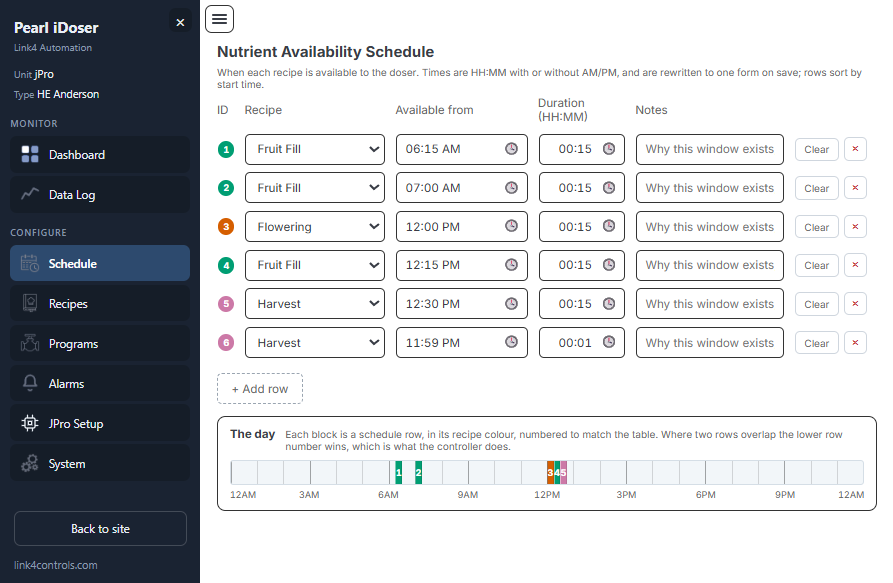
What was supposed to happen: the schedule, with the day drawn as one bar.
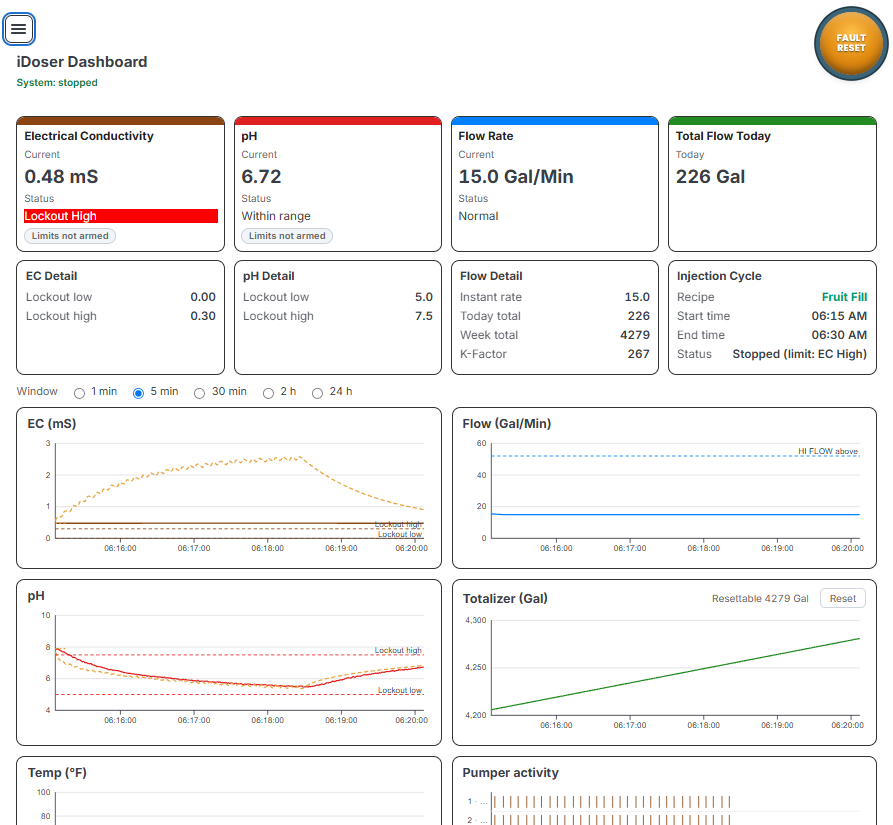
What was never allowed: a reading crossed its limit, dosing stopped and stayed stopped. The console's own words: the limits armed and tripped, and nothing restarts injection but a human.
Stated exactly
EC and pH lockout thresholds can be configured to lock out injection and stop the pump on an out-of-range reading. You got a text msg.
Try the actual recipe software yourself. Right here, right now!
DryRun is the iDoser console over a simulated injection skid: the dashboard, the schedule, the recipes, the valves and the alarms, running a full simulated day. No hardware, no install, nothing to undo.
- Drive the same screens a grower uses in production
- Watch EC and pH move as recipes dose a simulated day
- Trip a lockout on purpose and see what stops
- Simulated data only: nothing you do touches a real crop
Console not loading? Open DryRun in a new tab. Your 30 minutes runs either way.
Thanks. Your note is with Link4.
We have your details and a Link4 person will reach out. If you would rather not wait, press the button below and Link4 gets a second note straight away.
Your DryRun session has ended.
Thirty minutes goes fast when the charts are moving. The next step is a conversation: what you grow, what your water is, and what your skid looks like. A Link4 person will already have your note.
Prefer email? Write to sales@link4controls.com and it lands in the same place.
Plain language first
What direct injection means
The fertilizer never sits in a big batch tank. Concentrated stock solutions stay in their own drums. As irrigation water flows through the line, small precise pumps inject each concentrate directly into the moving water, in proportion to the flow.
The feed is made fresh in the moment it is used. Change the recipe and the next irrigation runs the new one: there is no tank to drain, no batch to remix, and no mixing morning on the calendar.
The concentrates meet the water in the line, already in motion. Illustration.
Where it earns its keep
Built for the crops that need precise feedings
Large commercial operations, long rows, thousands of plants on the same line. Five examples where direct injection with a continuous record matters most.

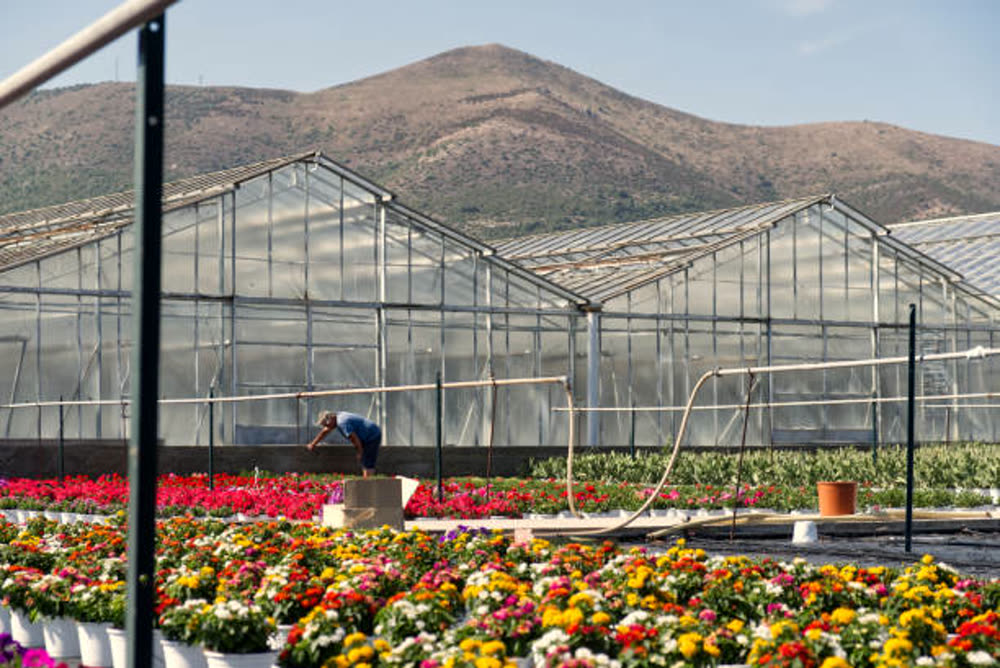
Floriculture and ornamentals
Bedding, potted, cut. Uniformity between houses decides finish dates. Two zones can be compared on the same chart, feed by feed, instead of by walking them.
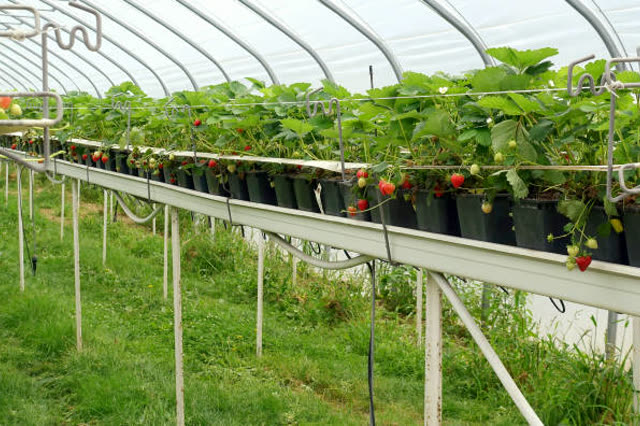
Berries in substrate
Strawberries, raspberries and blueberries in pots and gutters. Substrate berries are unforgiving on pH and EC, and blueberries live in a narrow acid band. Feed pH is read continuously, logged and alarmed.
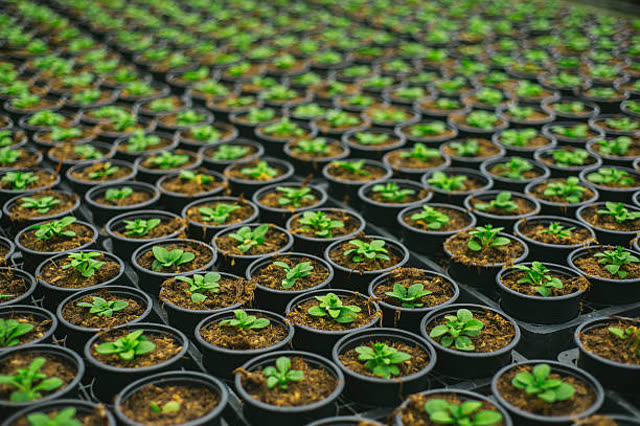
Container nursery
Long cycles across many zones. Drift hides until the crop shows it. Injector ratios change over time and must be periodically re-verified (University of Georgia Extension, B1237). The chart shows the change when it happens.
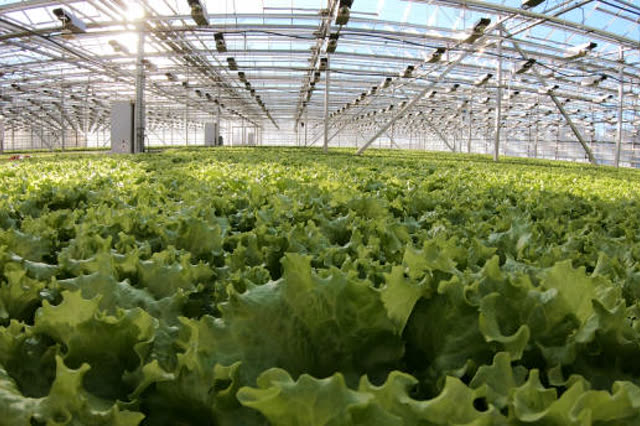
Greenhouse vegetables
Tomatoes, peppers, cucumbers, leafy greens on substrate, drain to waste. Heavy feeders, unforgiving of an EC excursion. The excursion is on the chart as it happens, with alarms to email, text or push.

Cannabis and hemp
Multi-room, commercial, licensed. Input logging is expected at every audit. Every injection event is logged with EC, pH, flow and volume, on a timeline nobody had to remember to keep.
Backed by Link4
Our mission: To make growing easier!
- Over 20 years of Link4 greenhouse control behind the platform, and injection hardware that has been in operations since 1955.
- A hardware warranty on every system. Ask sales for the current coverage on your configuration.
- Onsite commissioning available: factory trained personnel sets it up on your skid and walks your team through it.
- Live US Support by people who know the product.
Asked out loud
The questions growers actually ask
What happens if a reading goes out of range?
EC and pH lockout thresholds can be configured to lock out injection and stop the pump on an out-of-range reading. Dosing stays stopped until a person restarts it, and the alarm reaches you by email, text or push.
Does it work with the injection skid I already own?
If you run an Anderson-class skid with a Modbus interface and no other control system on that connection, YES! Pearl Protect reads it without changing how the skid runs. That first question, whether another controller already sits on the skid, is the first thing sales will ask you.
What if I never want it to dose on its own?
Then it never does. Pearl Protect is monitor only by design: it cannot write to the skid. You get the record, the charts and the alarms, and dosing stays exactly as it is today.
Is there a subscription?
Yes. You will need a Link4 Cloud subscription for the remote view, the continuous record and the alarms.
How often do the probes need calibration?
EC and pH probes need periodic calibration, like any such instrument on any fertigation system. Your team can do it, Link4 will assist if needed.
Who is behind this?
Link4 Controls, building greenhouse control systems for over 20 years. The injection hardware is built by H.E. Anderson making injection systems since 1955. Pearl reads the skid over Modbus.